CONCEPT
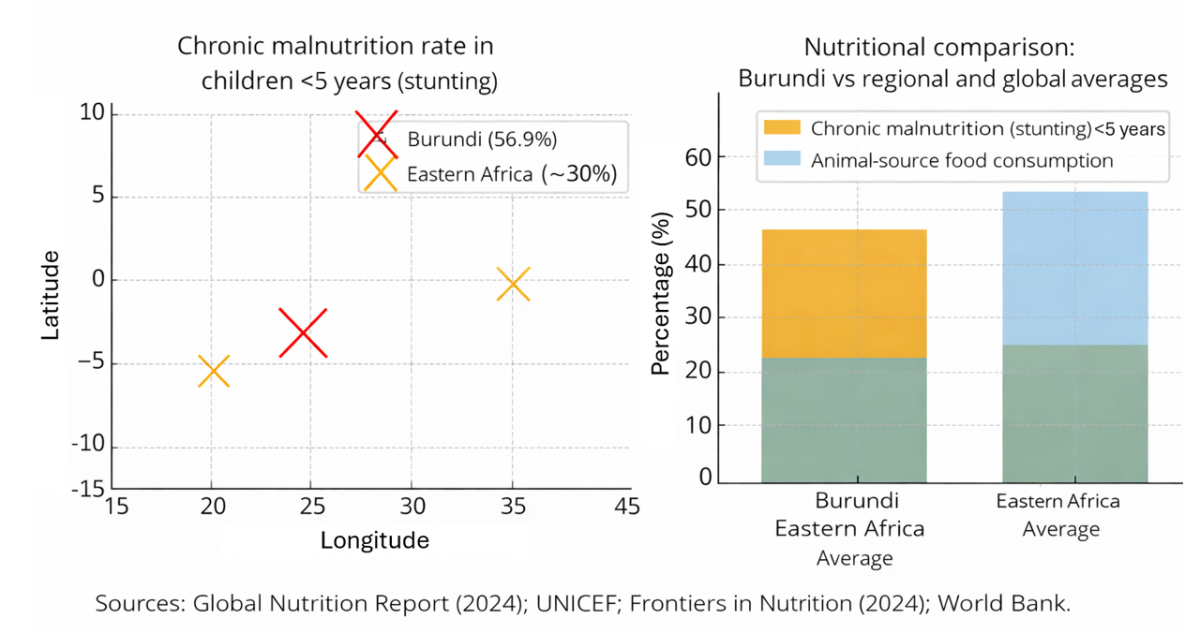
Burundi has a food system based on a very poor economy, with the highest rate of child malnutrition in the world and a deficit of animal-source protein of more than 85% among children under the age of five. Especially in rural areas, there is limited availability of nutritious foods, with serious consequences for children's physical and cognitive development and long-term impacts on the entire community.
OBJECTIVE
The objective of the project is to produce locally a high-protein biscuit developed at the Catholic University of Piacenza with the collaboration and supervision of André Ndereyimana, professor of microbiology and food technologies and founder of the startup Buslin (www.buslin.net), which is committed to fighting extreme poverty and malnutrition in Burundi. The ingredients of the “super biscuit” are easily available locally: eggs as a source of animal protein, wheat flour, maize, sorghum, rice, cassava, sweet potato, peanuts, sunflower seed oil, yeast and cane sugar, with well over 12% of calories provided by protein. In addition to helping reduce child malnutrition, this initiative will support the creation of a virtuous circular economic system, generating widespread benefits through the involvement of local suppliers and labour. Ampelos ODV and Ampelos ASBL have provided financial, technical and logistical support for the production of the biscuits directly in Burundi using a pilot plant equipped with relatively simple technologies such as a mixer, a dough sheeter and a laboratory oven.

STRATEGIC SOLUTIONS
• Product development: recipe development at the Catholic University of Piacenza by Davide Reggi and Gaia Alessio.
• Equipment: use of small laboratory machines donated by Valerio D’Orsogna.
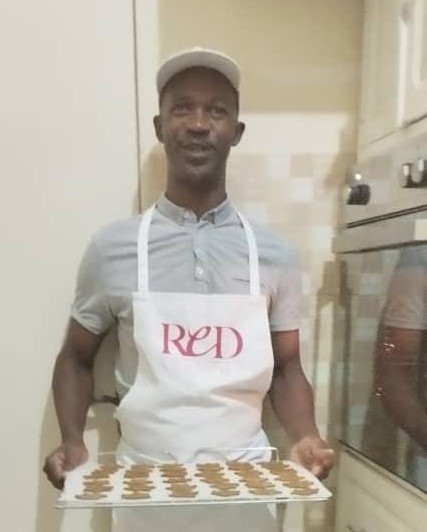
• Training: participation in a specialized course on biscuit production at ReD Academy.
• Authorisations: establishment of the company Bunpa in Bujumbura in order to proceed with the production and sale of protein biscuits in Burundi.
• Sustainability: Ampelos ODV and Ampelos ASBL contribute financially to the project’s start-up phase with the objective of achieving self-sustainability.
• Future developments: if results are positive, this project could be replicated in other countries facing similar challenges.
CONCLUSIONS
• Improvement in child malnutrition.
• Creation of a circular economy capable of growing over time.
• After an initial phase in which Ampelos will cover most of the costs, within 1–2 years the project will become self-sustaining by balancing donated and sold products.
• Development of new skills among the people involved in production, sales, and future product development.