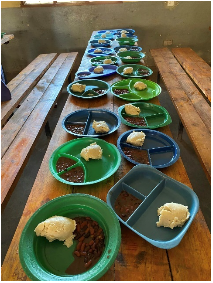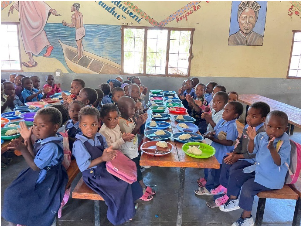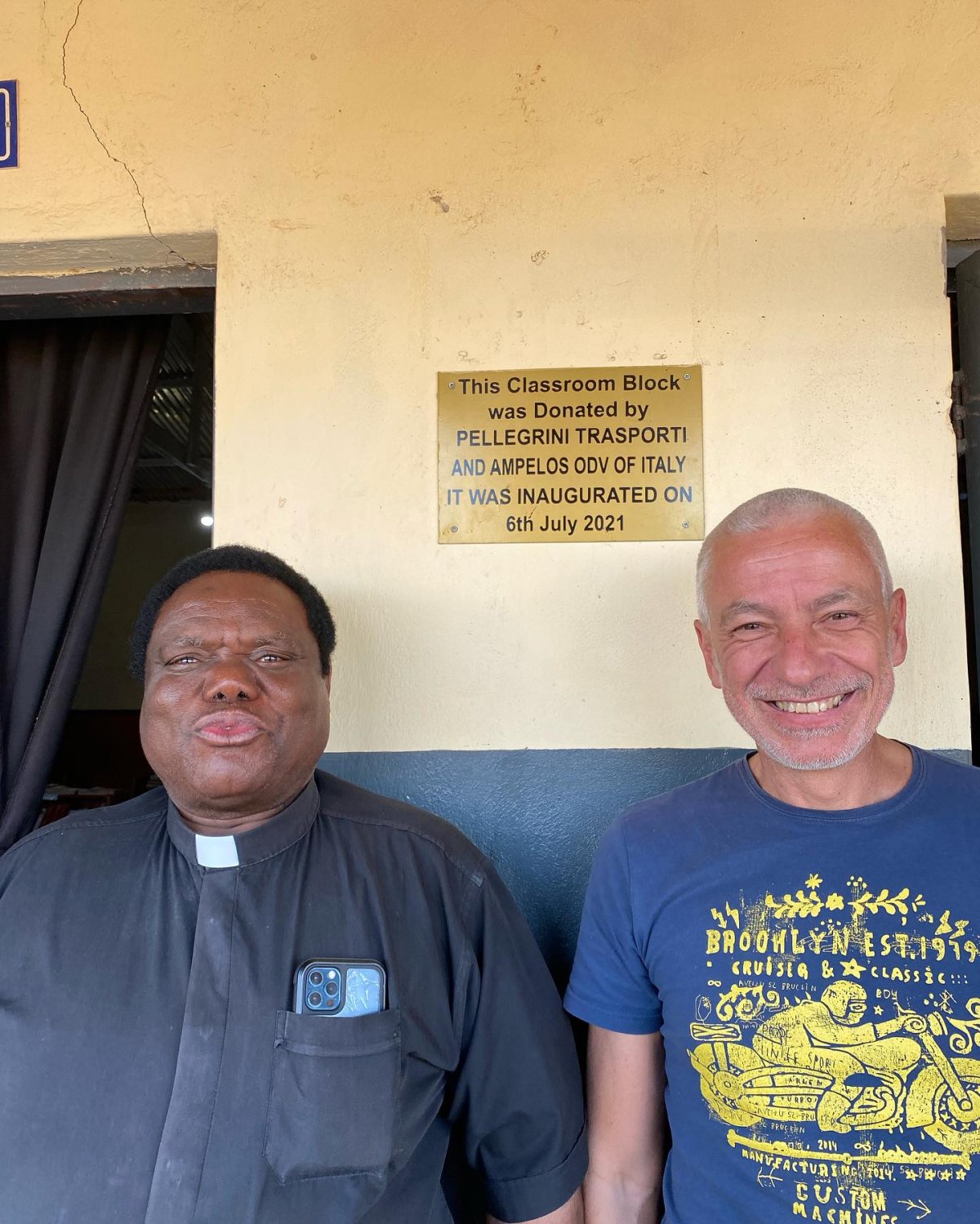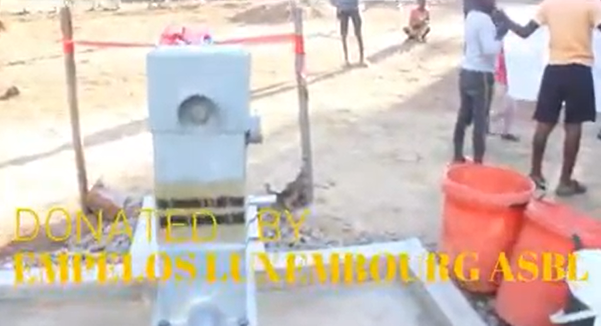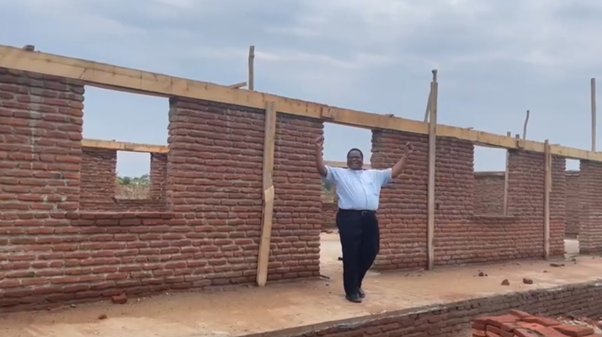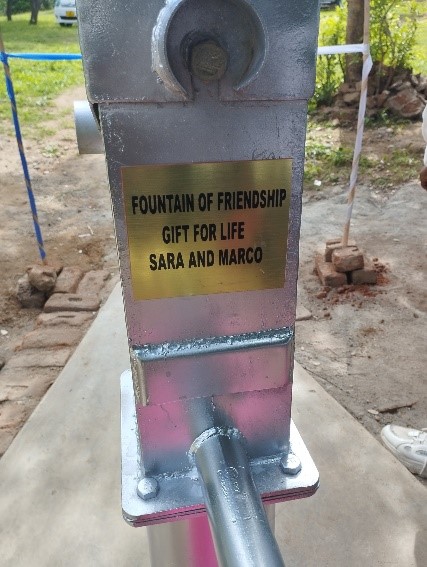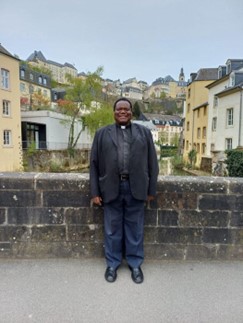
The local partner of Ampelos in Malawi is Rev. Fr. Dr. Joseph Kimu, founder and leader of Saint John Integral Education Centre in Malawi (www.saintjohnmw.org). Ampelos and Father Joseph Kimu are in constant contact to monitor the project's progress and understand the needs. In 2023, a delegation of 13 volunteers visited Saint John Integral Education Centre in Malawi for three weeks, where they had the opportunity to directly observe all the projects funded through Rev. Fr. Dr. Joseph Kimu and provide technical support to projects such as fish farming (tilapia), cheese production, and jam making.
Malawi
Our projects in Malawi
The local partner of Ampelos in Malawi is Rev. Fr. Dr. Joseph Kimu, founder and leader of Saint John Integral Education Centre in Malawi (www.saintjohnmw.org). Ampelos and Father Joseph Kimu are in constant contact to monitor the project's progress and understand the needs. In 2023, a delegation of 13 volunteers visited Saint John Integral Education Centre in Malawi for three weeks, where they had the opportunity to directly observe all the projects funded through Rev. Fr. Dr. Joseph Kimu and provide technical support to projects such as fish farming (tilapia), cheese production, and jam making.
Budget and project specificities:
- School fees for preschool students (full boarding)
2nd hand computers for St John’s Girls School in Mangochi
- School fees for female secondary school students (full boarding) (ongoing, funding reuiqred)
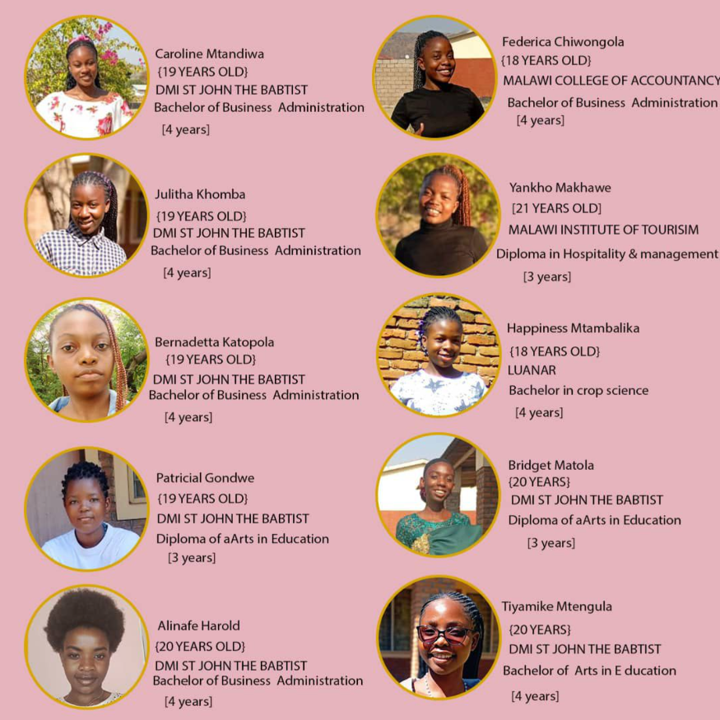
Ampelos asbl is currently looking for funding to directly sponsor the tution fees of 10 selected Malawian female students. See more details of this specific project at the bottom of this page.
LIST OF ADDITIONAL COMPLETED AND ONGOING PROJECTS BY AMPELOS ASBL:
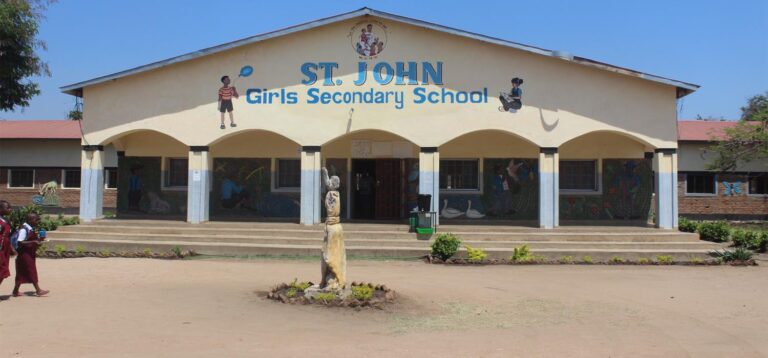
- Construction of classrooms at St John’s Girls Secondary School in Mangochi (completed)
- Completion of library and physics, science, chemistry, and agriculture laboratories (completed)
- Construction of two classrooms in Mkwanda (completed)
- Construction of houses for families affected by Cyclone Freddy (ongoing, funding required)
- Funding pedal water pumps for irrigation of gardens and fields (ongoing, funding required)
- Electric cooking pots for food preparation for the schoolchildren and girls (completed)
- Support for internet connection (Starlink) (completed)
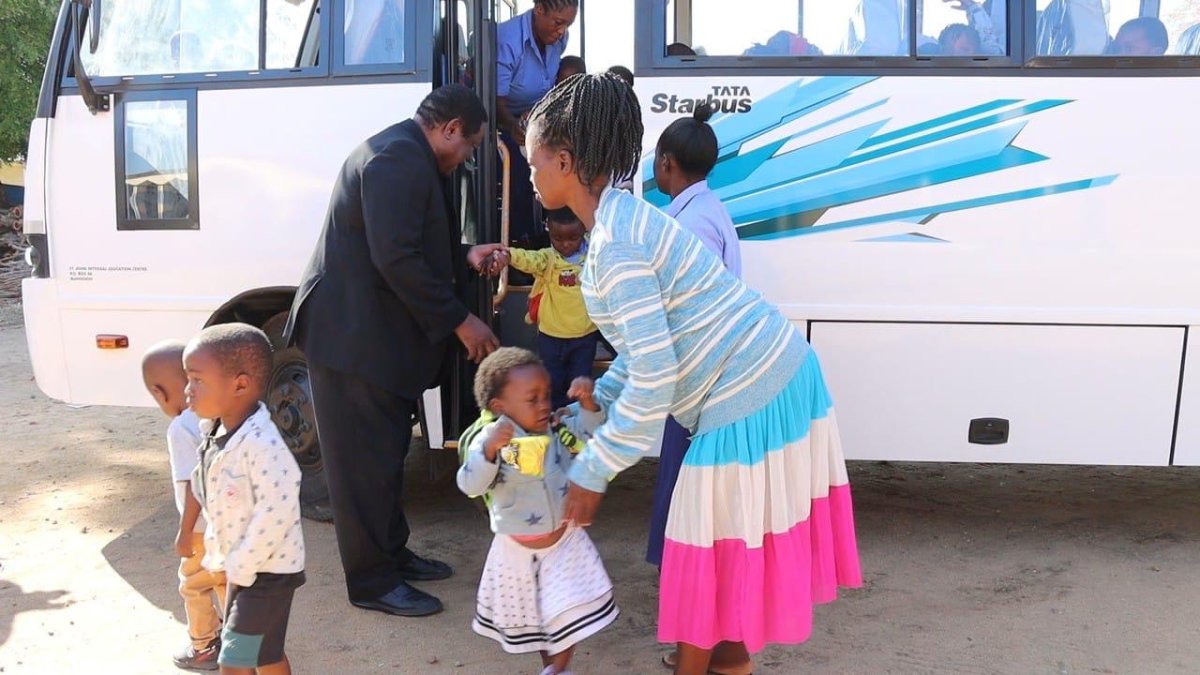
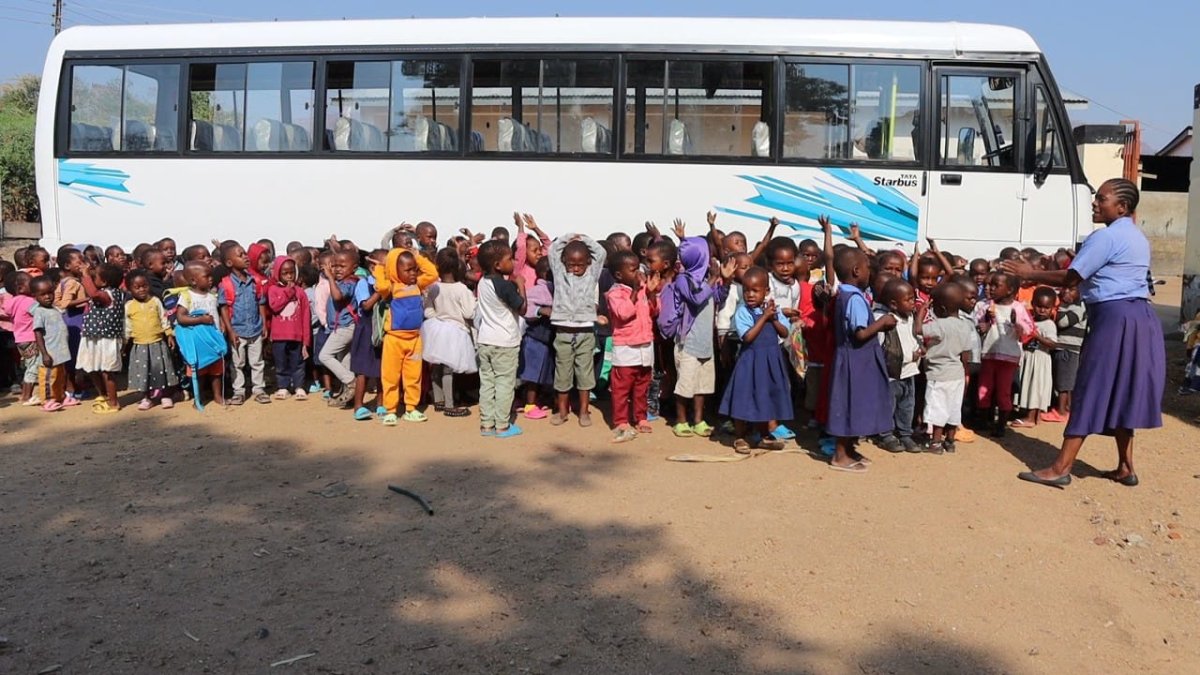
- School bus (completed)
- Solar Panels (completed)
- Classroom Desks and student-house beds (completed)
Our projects in detail
University funding (18+) - Project “10 Voices for the Future”
Project description - (ongoing, funding required)
INTRODUCTION - Malawi and the Learning Crisis
Malawi is facing one of the most severe educational crises in Sub‑Saharan Africa.
According to the UNESCO IICBA brief, 89% of 10‑year‑old children in the region experience learning poverty, meaning they are unable to read and understand an age‑appropriate text. In Malawi, performance is particularly concerning: students score an average of 359 points on a harmonized scale, where 625 represents advanced proficiency and 300 the minimum. Adult literacy (15+) stands at 68%, reflecting long‑standing structural educational challenges.
The Education System in Malawi: Access Does Not Equal Learning
1. Primary Education
- Free and compulsory for 8 years, starting at age 6.
- Completion rate: 76% for boys, 85% for girls.
- More recent data, however, reveal a critical situation: in 2024, the actual completion rate dropped to 43% for boys and 46% for girls.
- 36% of children repeat the first grade due to insufficient early childhood preparation.
2. Transition to Secondary School
- The transition rate from primary to secondary increased from 37% (2020) to 49% (2024), but remains insufficient.
- Lower secondary completion: 24% for boys, 21% for girls.
3. Tertiary Education
- Extremely limited access: only 2% of men and 1% of women enroll in tertiary education.
- Less than 1% actually attend university.
A Deep and Structural Crisis
Analyses from UNESCO, the World Bank, and UNICEF consistently highlight:
- Severely overcrowded classrooms, with up to 102 students per primary class.
- A significant shortage of trained teachers.
- Very poor learning outcomes: 87% of 10‑year‑olds cannot read a simple text.
- Extremely high population growth → pressure on schools, teachers, and infrastructure.
- Poverty, distance to schools, and indirect costs increase dropout rates.
- Only 26% of children aged 4–5 reach minimum early literacy and numeracy levels.
The result: even where access to schooling exists, actual learning remains drastically insufficient.
Why University Education Is Almost Unreachable for Girls
Girls in Malawi face additional and often overwhelming barriers:
- Fewer economic resources available for their continued studies.
- Higher dropout rates due to domestic work, early marriage, and family responsibilities.
- Lack of adequate support structures for university life (housing, safety, transportation).
Consequently, only 1% of young women manage to enter a university program.
In rural areas like Mangochi, the percentage is even lower.
Our Project: Opening the Road to University for 10 Young Women
We aim to reverse this trend. The objective of the project is to provide access to university education for 10 young women from the Mangochi area, one of the most educationally vulnerable regions in Malawi. These students have successfully completed their secondary studies at the St John Integral Education Centre, managed by Br. Joseph Kimu—an institution with which Ampelos has collaborated for years on various development and educational initiatives.
The project includes:
- Full scholarships (annual tuition fees, learning materials, registration fees and exam fees, accommodation, and meals, any logistical costs related to attendance).
- Annual monitoring of academic progress and transparent reporting to donors.
- The selection of the students has been conducted with the St. John Secondary School's administration office.
- An annual academic results report will be provided for each student
- Scholarship consitrbutors will be periodically updated on the progress throughout the year.
- Contributors may choose to fund a specific student (see below)
- Fields of study
The girls may choose study paths aligned with local needs, such as:
- Education and teaching
- Nursing and healthcare
- Economics and management
- Agriculture and rural development
- Tourism and hospitality
BUDGET
Estimated total investment: €30,000 per year (10 students)
Total cost for 3–4 year degree programs: €90,000 – €120,000
OBJECTIVE
To guarantee 10 young Malawian women the opportunity to complete an entire university cycle in their own country, promoting:
- Access to higher education
- Future economic independence
- Qualified professional growth
- Positive impact on local communities and family
Investing in the university education of a young woman in Malawi means investing in the future of an entire family.
Why Should You Support This Project?
Supporting these 10 young women means:
✔ Strengthening female human capital Graduates become social, economic, and cultural multipliers in their communities.
✔ Breaking the intergenerational cycle of poverty Educated women reinvest up to 90% of their income into their families, improving health, education, and well‑being for future generations.
✔ Promoting gender equality University access empowers young women, reduces early marriage rates, and enhances their professional opportunities.
Connection to the United Nations 2030 Agenda (SDGs) This project directly contributes to several Sustainable Development Goals:
🎯 SDG 4 – Quality Education
- Expands access to tertiary education for marginalized groups.
- Improves learning opportunities and long‑term educational outcomes.
🎯 SDG 5 – Gender Equality
- Promotes women’s empowerment through higher education.
- Reduces gender disparities in access to advanced learning.
🎯 SDG 1 – No Poverty
- Equips young women with qualifications that significantly increase their employability and income.
- Helps break the cycle of poverty for entire families.
🎯 SDG 8 – Decent Work and Economic Growth
- Builds a better‑educated workforce capable of contributing to sustainable development.
- Supports economic mobility for young women in a low‑income region.
🎯 SDG 10 – Reduced Inequalities
- Advances social inclusion by providing opportunities to students from rural, underserved communities.
🎯 SDG 17 – Partnerships for the Goals
- The project is based on collaboration between local institutions and international partners (St John Integral Education Centre + Ampelos ODV Italy + Ampelos Luxembourg ASBL + others).